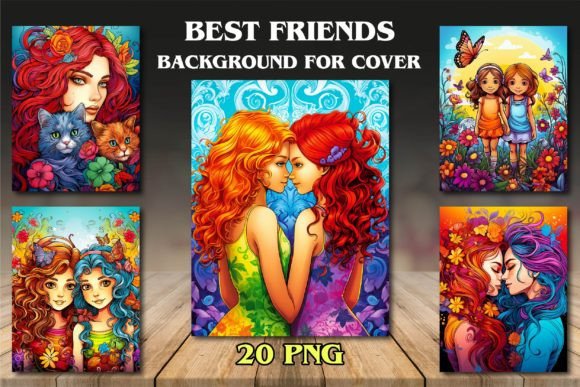
Best Friends Backgrounds for Covers: A Designer's Guide
When you're launching a new coloring book, the cover is your silent salesperson. It’s the first thing potential buyers see on Amazon KDP or on a retail shelf, and it has to communicate a feeling—instantly. You need visuals that convey relaxation, creativity, and quality before someone even reads the title. That's precisely where the right design assets become invaluable, moving beyond generic stock images to specialized tools built for the job. This collection of Best Friends Backgrounds for Covers isn't just a random set of images; it's a targeted solution for creators in the mindfulness and activity book space.
Visual Character and Practical Application
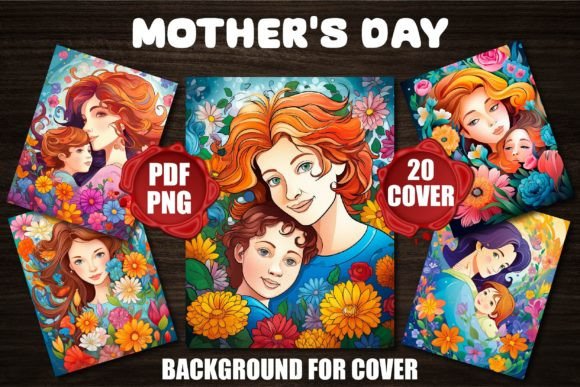
What defines the personality of this collection? Think of it as a blend of intricate detail and serene composition. These aren't simple patterns; they are AI-generated backgrounds with a sophisticated aesthetic. The designs feature flowing lines, organic forms, and complex arrangements that feel both modern and timeless. This style is crucial because it sets the tone for the entire product. A cover with a detailed, artistic background suggests the interior pages will offer the same level of quality and engagement, which is a key factor for adults seeking stress relief through coloring.
The practical value is in the format. Delivering 20 distinct PNG files at 300 dpi means you have print-ready assets from the start. There's no need to worry about pixelation when scaling for a full book cover. For a designer, this is a massive time-saver. You can immediately drop these backgrounds into your layout software, overlay your title typography, and have a professional-looking cover mockup in minutes. This is especially useful for entrepreneurs running multiple KDP projects or content creators needing consistent, high-quality visuals for social media promotions. The collection functions as a versatile font of visual ideas, ready to be deployed.
Integrating These Backgrounds into Your Brand Strategy
Choosing a visual asset like this goes beyond a single project; it's about building a recognizable brand identity. If you publish a series of coloring books for adults, using consistent background styles from a collection like this can create a cohesive shelf presence. On Amazon, a series of books with similar visual language tells customers, "If you liked that one, you'll probably like this one." It’s a simple yet effective way to boost recognition and loyalty without reinventing your design for every new title.
Consider the influence on your audience. The right background directly impacts perception. A cluttered, low-resolution image screams amateur, while a crisp, thoughtfully composed background conveys professionalism. It builds trust. For the coloring book audience, which includes those seeking mindfulness and art therapy, the cover's visual calm is part of the product promise. These Best Friends Backgrounds for Covers are designed to meet that expectation, offering a serene yet engaging visual that invites the viewer in.
Practical Guidance for Selection and Pairing
So, how do you choose and use these assets effectively? Start by evaluating the mood of your book's interior. Is it intricate mandalas for focused meditation? Playful patterns for a fun activity book? The 20 covers in this bundle offer variety, so match the background's complexity to your book's theme. A simpler interior might pair well with a busier background, while a highly detailed interior page might need a slightly more subdued background to avoid visual competition on the cover.
Next, think about typography pairing. This is where modern design principles come into play. The background is your canvas; the title font is your headline. A clean, sans-serif font often works well for clarity, allowing the detailed background to shine without clashing. Alternatively, a flowing script font can complement the organic lines of the background, but ensure it remains legible at thumbnail size—a critical consideration for online marketplaces. Test your cover at a small scale to see if the title pops and the overall design remains clear. This is a fundamental step in editorial design and packaging design.
Finally, remember the commercial utility. These are not just decorative pieces. They are design assets for your business. Use them for your primary book cover, then extract elements for your website header, your social media graphics, or your author page banner. This creates visual consistency across all your platforms, strengthening your brand identity. The high-resolution PNGs allow for this kind of flexible reuse, making the bundle a practical investment for any serious publisher or creative entrepreneur.
In the end, successful publishing is a blend of great content and smart presentation. Having a reliable toolkit of visuals, like these curated backgrounds, removes a significant barrier from the design process. It lets you focus on what you do best—creating engaging content for your audience—while ensuring the first impression is one of quality, care, and professional appeal. That’s a real-world advantage in a competitive marketplace.